Federal AI Bills in Congress
A live view of AI-related legislation moving through the U.S. Congress — pulled automatically from the official Congress.gov database. Federal law sets the national backdrop for the state AI laws that most businesses must comply with today.
Last content change · 25 bills tracked
Federal AI law news
Updated August 26, 2026The latest national AI-policy coverage — Congress, the White House, and federal agencies. Aggregated automatically; follow each link for the full story.

Coverage from The Regulatory Review on AI legislation and regulation relevant to the United States.

Coverage from Daily Montanan on AI legislation and regulation relevant to the United States.

Coverage from Washington Examiner on AI legislation and regulation relevant to the United States.

Coverage from HR Executive on AI legislation and regulation relevant to the United States.
Coverage from Federal News Network on AI legislation and regulation relevant to the United States.
Tracked bills
Updated October 13, 2026AI-related bills currently before Congress, newest legislative activity first. Each links to the official bill page on Congress.gov.
Referred to the House Committee on Energy and Commerce.
Referred to the House Committee on Homeland Security.
Referred to the Committee on Energy and Commerce, and in addition to the Committee on Science, Space, and Technology, for a period to be subsequently determined by the Speaker, in each case for consideration of such provisions as fall within the jurisdiction of the committee concerned.
Committee on Homeland Security and Governmental Affairs. Hearings held.
Read twice and referred to the Committee on Finance.
Read twice and referred to the Committee on Armed Services.
Referred to the Committee on Rules and Administration. (text: CR S5172-5174)
Read twice and referred to the Committee on Commerce, Science, and Transportation.
Referred to the House Committee on Homeland Security.
Referred to the House Committee on Science, Space, and Technology.
Read twice and referred to the Committee on Finance.
Referred to the Committee on the Judiciary, and in addition to the Committee on Oversight and Government Reform, for a period to be subsequently determined by the Speaker, in each case for consideration of such provisions as fall within the jurisdiction of the committee concerned.
Read twice and referred to the Committee on Commerce, Science, and Transportation.
Referred to the Committee on Education and Workforce, and in addition to the Committee on Oversight and Government Reform, for a period to be subsequently determined by the Speaker, in each case for consideration of such provisions as fall within the jurisdiction of the committee concerned.
Referred to the House Committee on Oversight and Government Reform.
Submitted in the Senate, considered, and agreed to without amendment and with a preamble by Unanimous Consent. (consideration: CR S4958; text: CR S4951)
Read twice and referred to the Committee on Commerce, Science, and Transportation.
Read twice and referred to the Committee on Commerce, Science, and Transportation.
Referred to the House Committee on Homeland Security.
Referred to the Committee on Education and Workforce, and in addition to the Committees on Science, Space, and Technology, and Ways and Means, for a period to be subsequently determined by the Speaker, in each case for consideration of such provisions as fall within the jurisdiction of the committee concerned.
Referred to the House Committee on Armed Services.
Referred to the Committee on the Judiciary, and in addition to the Committee on Intelligence (Permanent Select), for a period to be subsequently determined by the Speaker, in each case for consideration of such provisions as fall within the jurisdiction of the committee concerned.
Ordered to be Reported by the Yeas and Nays: 26 - 21.
Read twice and referred to the Committee on Commerce, Science, and Transportation.
Referred to the House Committee on Veterans' Affairs.
Federal vs. state AI regulation
As of 2026 there is no single comprehensive federal AI statute. Instead, AI oversight at the federal level is spread across existing agencies — the FTC, EEOC, FDA, CFPB, and others — while Congress debates the bills tracked above. For most companies, the binding obligations today come from state laws such as the Colorado AI Act, Illinois' AI hiring rules, and California's transparency requirements.
Use this tracker to watch where federal policy is heading, then check your state-specific obligations with the free assessment.
In the many states that have not yet enacted their own AI statute, this federal framework — the FTC Act, the anti-discrimination laws the EEOC enforces, the FCRA, and the NIST AI Risk Management Framework — is the primary compliance baseline. Each of those state pages sets out the in-force federal authorities that apply there.
The lawmakers shaping U.S. AI policy
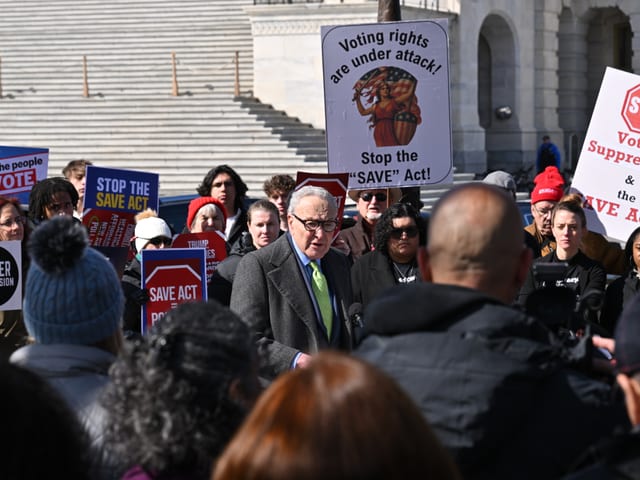
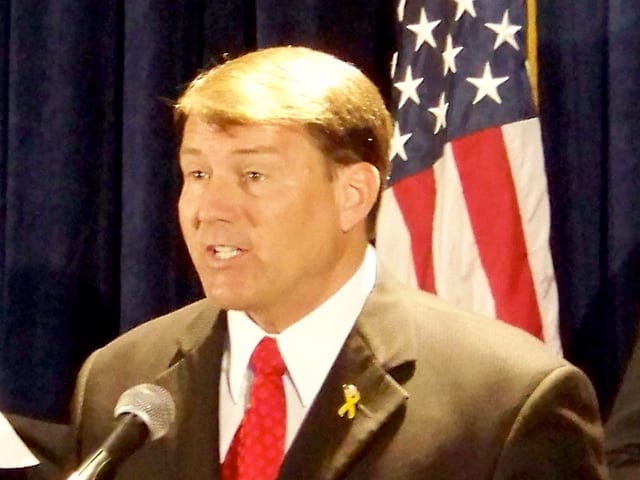
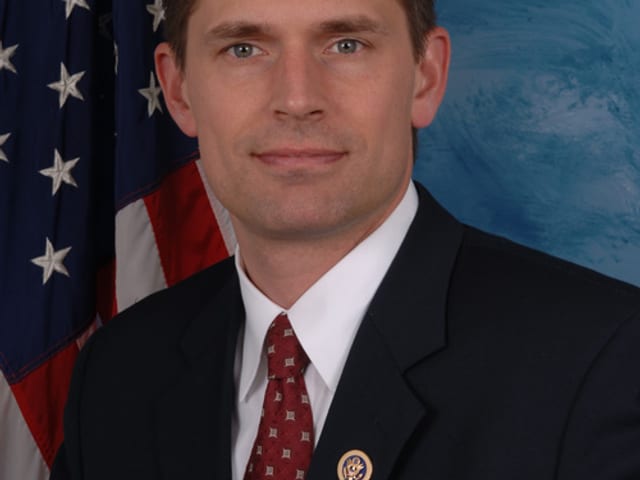
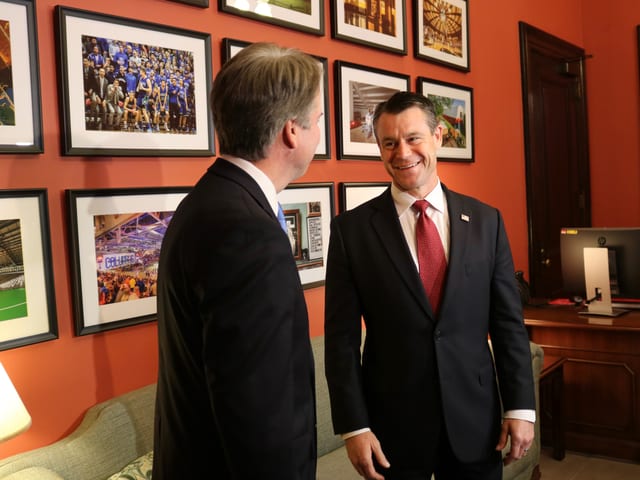
The bipartisan Senate AI Working Group led nine "AI Insight Forums" and authored "Driving U.S. Innovation in Artificial Intelligence: A Roadmap for Artificial Intelligence Policy," released on May 15, 2024 — the Senate’s framework for the federal AI legislation tracked above. Read the roadmap →