 In Effect
AI Laws in Texas (TX)
Prohibits developing or deploying AI for intentional behavioral manipulation causing harm, unlawful discrimination, and unlawful synthetic media; applies to businesses and state agencies. Enforced exclusively by the Texas Attorney General with a 60-day cure period.
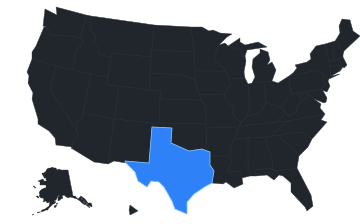
What TRAIGA requires
Texas has enacted TRAIGA — Texas Responsible AI Governance Act (HB 149, 2025). Prohibits developing or deploying AI for intentional behavioral manipulation causing harm, unlawful discrimination, and unlawful synthetic media; applies to businesses and state agencies. Enforced exclusively by the Texas Attorney General with a 60-day cure period. This page explains what the law requires in plain language, who is in scope, the penalty for non-compliance, and what your business needs to do before the January 1, 2026 deadline.
Who is in scope
The law covers recording companies, streaming platforms, music producers, advertisers, and any person or company that creates or distributes AI-generated audio or video likenesses of real individuals without consent; Texas state agencies that deploy AI for benefits determination, licensing, law enforcement, or public-service delivery; private-sector operators serving state contracts are also in scope; and any operator deploying AI systems that interact with consumers, influence decision-making, or could produce discriminatory outcomes in housing, credit, employment, or public accommodations. Company size does not determine whether you are in scope — a startup with ten employees using an off-the-shelf AI hiring tool has the same disclosure obligations as an enterprise running a custom-built model. What matters is whether the AI system makes or substantially informs a decision that affects a Texas resident in a consequential way. Notably, the obligation extends to vendors: if your company deploys an AI tool built by a third party, you — as the deployer — are responsible for ensuring it meets Texas's requirements, even if you did not build it.
Key compliance requirements
Under Texas's voice and likeness protection framework, creating or distributing an AI-generated replica of a real person's voice, image, or performance requires the explicit written consent of that individual or their authorized estate representative. The law applies whether the replica is used commercially or shared to a broad audience — simply labeling the content as AI-generated does not substitute for consent. Rights holders may seek injunctive relief to stop unauthorized use, and statutory damages are available even where actual financial harm is difficult to prove. This means content creators, platforms, and brands need consent management workflows before generating or publishing any AI voice or likeness material.
Texas's AI law for public-sector systems requires state agencies to create and maintain an inventory of every AI tool used in government operations. Each entry in the inventory must describe the system's purpose, the decisions it informs, the data inputs, and the vendor or developer responsible for it. Agencies must also establish an appeals process so that individuals affected by an AI-assisted decision can request human review. For private-sector companies that provide AI tools to the state, contract language must address these transparency and accountability obligations — vendors who cannot demonstrate compliance may be excluded from procurement.
Texas's law specifically targets AI systems designed to manipulate human behavior or produce discriminatory outcomes. A system is considered manipulative if it exploits psychological biases, creates false urgency, or targets vulnerable populations in ways that undermine informed consent. The anti-discrimination provisions extend existing civil-rights frameworks into AI: companies cannot deploy AI that produces disparate outcomes in protected categories even if no discriminatory intent existed. This requires testing AI outputs across demographic groups before deployment and building ongoing monitoring into the operational pipeline.
Penalties for non-compliance
The financial consequences of non-compliance under TRAIGA are real and enforceable now. Texas sets a maximum civil penalty of AG-enforced (no private right of action); up to $100,000 per uncurable violation + $40,000/day. Penalties accumulate per violation — meaning a company that has deployed an AI tool to thousands of consumers without required disclosures faces compounding exposure, not a single capped fine. Beyond statutory fines, rights holders may pursue private civil actions for statutory damages and injunctive relief, making each unauthorized use an independent litigation event rather than a matter resolved through a single regulatory proceeding.
What to do now
Build your AI inventory first. You cannot comply with Texas's requirements if you do not know which systems are in scope. Map every AI or automated decision system your company uses that touches Texas residents — including third-party vendor tools integrated into your product.
Audit your content pipeline for consent gaps. Review every AI-generated audio, video, or performance asset to verify you have documented written consent. Build a consent management system before producing new synthetic media content.
Review government contracts. If your company provides AI tools to Texas state agencies, review pending and existing contracts to ensure they address the inventory, transparency, and appeals requirements that now flow through to vendors.
Assign a compliance owner. Designate someone — legal counsel, a privacy officer, or a dedicated AI governance lead — to track regulatory developments, own the audit documentation, and respond if an enforcement inquiry arrives. The compliance deadline is January 1, 2026. Don't wait until the deadline to start.
Texas AI law in the broader regulatory landscape
Texas's law does not exist in isolation. The trend across the United States is toward more regulation, not less: at least 20 states enacted or proposed AI-specific legislation in 2025 alone, and federal enforcement agencies — the FTC, EEOC, CFPB, and HHS — have all issued guidance making clear that existing laws apply to AI systems even where no AI-specific statute exists. Companies doing business across state lines must track each state's requirements independently — there is no federal preemption that would allow a company to satisfy Texas's law and automatically comply with requirements in Illinois, Colorado, or New York.
Recent AI law developments in Texas
Updated August 23, 2026Recent news coverage of AI regulation and policy in Texas. Headlines are aggregated automatically; follow each link for the full story.

Coverage from KXAN Austin on AI legislation and regulation relevant to Texas.

Coverage from KEYE on AI legislation and regulation relevant to Texas.

Coverage from KXAN Austin on AI legislation and regulation relevant to Texas.

Coverage from KTALnews.com on AI legislation and regulation relevant to Texas.

Coverage from Axios on AI legislation and regulation relevant to Texas.
AI bills moving through the Texas legislature
Updated August 31, 2026AI-related bills currently tracked in the Texas legislature, updated automatically from Open States and the state legislature's own official record. Follow each link for the official bill text, sponsors, and status history.
Filed
Filed
Effective on 1/1/26
Effective on 9/1/25
Effective on 9/1/25
Effective on 9/1/25
Placed on General State Calendar
Referred to Business & Commerce
Referred to Delivery of Government Efficiency
Referred to Business & Commerce
Applicable laws
↗ Each law links to its primary government source. Full source list below.
Landmark AI laws in Texas
Dedicated pages for Texas's headline AI laws — status, penalty, effective date, and the official text.
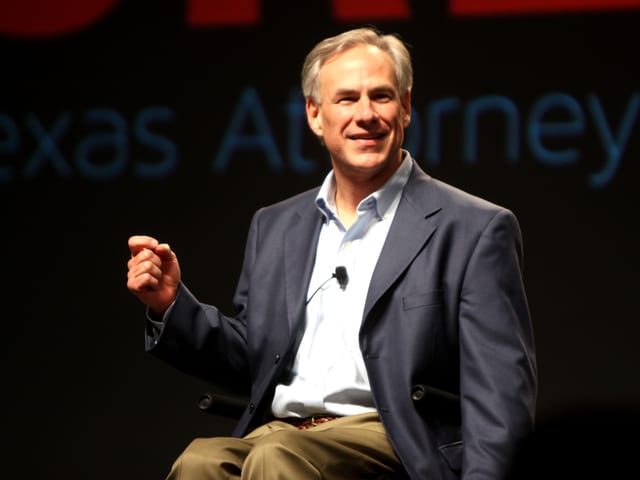
Signed into law by
Texas AI compliance by industry
AI compliance by company size
Jump to top-risk sectors for your company size
Quick resources for Texas
Industry risk levels in Texas
Do you also serve EU customers?
The EU AI Act applies to any company serving EU customers, even if you're based in Texas. Penalties reach €35M or 7% of global revenue. Deadline: August 2, 2026.
Other states with active AI laws
Anchored to the primary government source (statute, bill text, or agency rule) and verified directly against it · Last verified Jul 4, 2026. See our methodology.
- ↗capitol.texas.govhttps://capitol.texas.gov/BillLookup/History.aspx?LegSess=89R&Bill=HB149